Your Quick Guide to Living Off-Campus
So, you’re moving into your first apartment… Congratulations!
A first apartment is a big steppingstone in any young adult’s life. You’re now faced with new questions like: Where am I going to do my laundry? What do I want to cook for dinner tonight? How am I getting to my classes tomorrow? How do I get my stove fixed?
Never fear! Here are some tips and tricks for settling into your new place while staying connected to the JHU Community.
Before you first move in
- Complete a rental property checklist. Complete a checklist of the condition of the property within three days of moving in—before all of your items are unpacked. Take pictures of any damages or marks when you first find them, and keep a copy for yourself as well as sending a copy to your landlord. Use the same checklist when moving out; you should only be charged for any damage you caused, not ordinary wear and tear or damages indicated when you moved in.
- Set up your utilities and Wi-Fi. If your rental did not come with utilities and amenities included, you will have to set these up yourself. For Wi-Fi, you have the choice between Xfinity, T-Mobile, or Verizon, and some companies will let you bundle with your current phone plan. In Baltimore, gas, heat and electricity are all provided by BGE; and can be set up online or with a phone call. Water can be set up through the Department of Public Works website, if needed.
- Roommates. Whether you’ve known your roommates since freshmen year or you’re signing up for an apartment with new friends, be sure everyone is on the same page about shared space and expectations. Draft and sign a roommate agreement with expectations about cleaning, bathrooms, study hours, and visitors. Also create a plan for responsibilities if one of you is going abroad or graduating early.
- Conduct a quick safety and security check: Test smoke and CO2 detectors. Have a fire extinguisher in the kitchen and near the laundry room. Ask the landlord to change the locks, if possible, from the last tenants. Locate and familiarize yourself with emergency exits if you are in a large commercial building.
- Get renters insurance. Your landlord may have insurance on the property, but a landlord’s insurance does not cover any of your personal belongings. Get renters insurance to ensure that your personal belongings are covered for replacement in case of emergency or robbery. Some companies allow you to bundle your renters insurance with any car insurance you may have while others can be bought for as little as $25-$28 dollars a month.
Settling in and building community
- Connect with your neighbors. Say hi, wave, and introduce yourself to your neighbors. Whether living in a commercial building or in a residence in one of the surrounding campus neighborhoods, your neighbors are part of your community. An introduction can go a long way toward establishing a good relationship with your neighbors.
- If you’re hosting a social gathering, let your neighbors know beforehand. Share your number with them in case they need to contact you during the gathering about noise or trash.
- Keep shared community spaces clean. Some commercial buildings have shared spaces that are great for small get-togethers or large study groups, while students living in smaller residences might host a gathering like a birthday party in their yard or a community park. Make sure these spaces are cleaned after your event for the next tenants or neighbors.
- Plug back into on-campus groups. Compared to the residence halls, living off campus can sometimes feel isolating. Plug back into campus events by joining an academic or social group to help foster that community for yourself. You can also follow Off-Campus Housing on Hopkins Groups and on Instagram for workshops and social events meant to connect our off-campus community throughout the year!
- Create a chore routine. Now that you live on your own or with roommates, make sure to create a schedule for chores. Here are some great questions to ask yourself: How often will shared spaces be cleaned? Who is responsible each week for the bathroom? The kitchen? Will we load dishes in the dishwasher everyday?
- Collect phone numbers. Make sure you have the phone numbers for your roommates, landlords, and neighbors. Keep the phone number for public safety, 311, and the shuttle escort service on your phone as well. Having Off-Campus Housing’s number—410-516-7961—can’t hurt either
Important tips for any rental stay
- Use the maintenance system and report issues immediately. A small maintenance issue can become a huge problem very quickly. Report maintenance, pests, and/or plumbing issues to your landlord immediately when problems begin. Some landlords require reporting issues to them directly while others have an online systems. Be sure to inquire about the proper way to submit requests as soon as you move in. By law, a landlord must be given a reasonable time to make the repairs (over 30 days is considered unreasonable).
- Keep your lease handy and know what you are responsible for. Small maintenance, lawn care, and move-out or pet cleanings may be the responsibility of the renter. Before signing your lease, make sure you are aware of what will be your responsibility in the space and what is the responsibility of your landlord, and refer to the lease if you have questions or issues. Check your lease during your move out to ensure you are leaving the space in the same condition you moved in to get your security deposit back.
- Check in with Off-Campus Housing. The Off-Campus Housing office is here to help. The office offers one-on-one meetings, safety checks, and lawn equipment that JHU affiliates can borrow. In certain situations, Off-Campus Housing can also mediate disputes between renters and landlords and/or property managers. If you come upon an issue and you feel like you need assistance, don’t hesitate to contact our office.
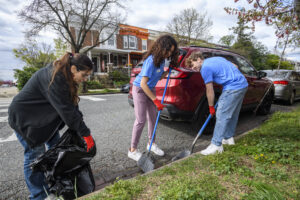
Lastly, by living in a neighborhood residence you may be able to join a community association. Many associations host social gatherings and festivals as well as street cleanings, volunteer opportunities, and civic-minded events. Also, a community association is a space where your voice can be heard when wanting to see a change in your community.
We hope your rental experience here at Johns Hopkins is a memorable and positive experience. Be sure to connect with your neighbors, follow community pages on social media to see what’s happening in your neighborhood, and get involved!